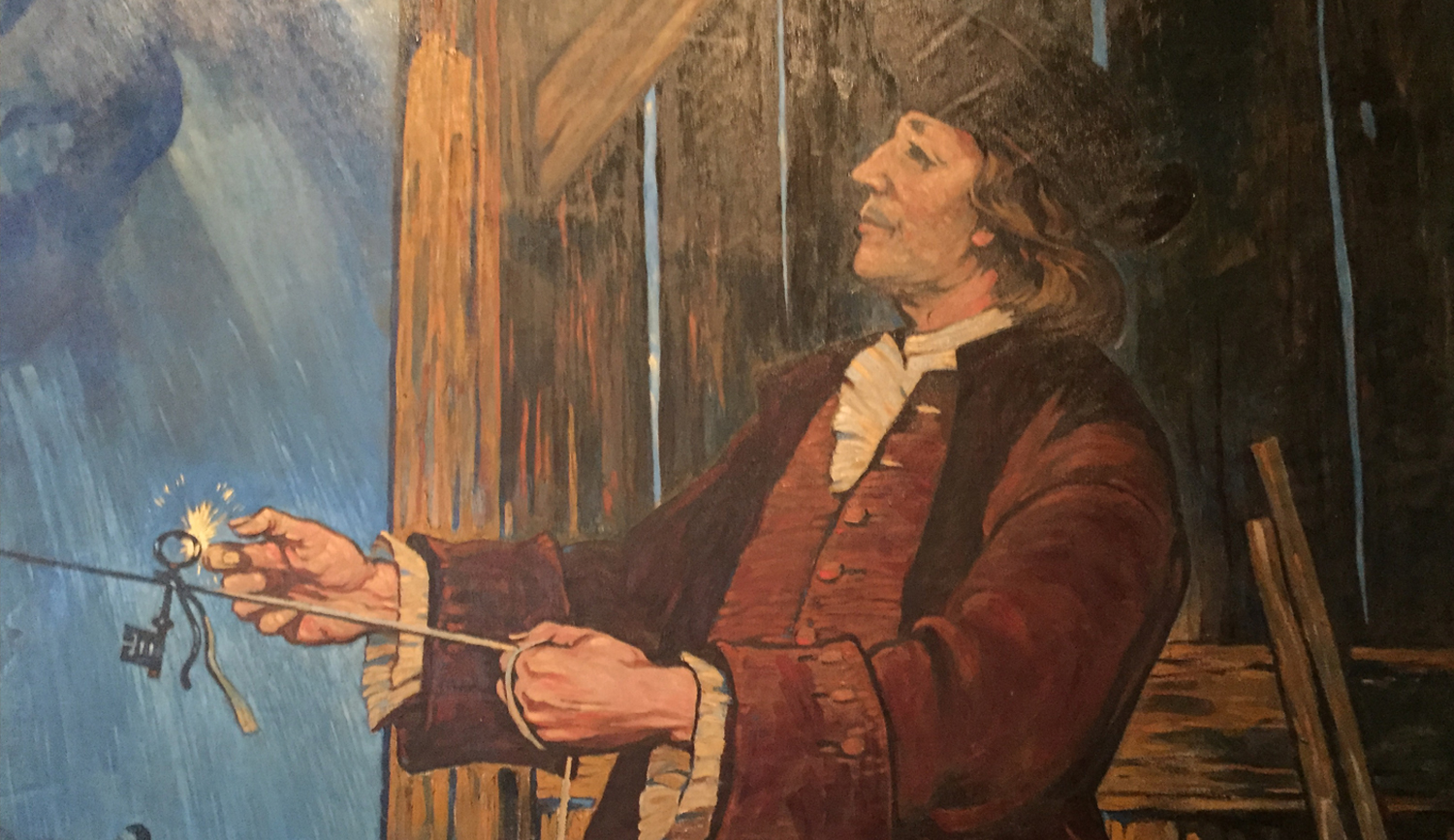
Satirical poet Juvenal mocked the classical Roman populace for surrendering societal ideals to the ruling class in exchange for “bread and circuses” — panem et circenses. Karl Marx revised Juvenal’s mockery with his view that “religion is the opium of the masses.” Today, sports serves as the opium of the masses, providing transitory highs for fans, and pretensions of big-league status for cities.
The Kansas City Chiefs’ new stadium deal, which bears a projected cost of $3 billion, 60% financed with public money, underscores the high cost of sports’ opium. TOP VIDEOS The Hunt family — owners of the Chiefs, with a reported worth of $25 billion — proves no different from many of its kindred NFL oligarchs, who remain immune from antitrust laws and indifferent to the loss of public trust when it comes to satisfying their lust for lucre.
Older stadiums such as Arrowhead now provide insufficient revenue streams to satisfy NFL franchise owners who seek to keep up with the Joneses — as in Jerry Jones’ subsidized AT&T palace in Arlington, Texas, where luxury suite revenue alone netted $130 million. Stan Kroenke’s Rams play their games in an extravagant mega-money-maker venue in Los Angeles that bears little semblance to yesterday’s norm.
In a recent New Yorker article that all Chief fans should read for a glimpse of their future — “How the sports stadiums went luxe” — John Seabrook writes about the emergence of the postmodern coliseums. SoFi — a banking and financial colossus — pays $30 million annually to affix its moniker on Los Angeles’ stadium, a structure that focuses on elite seating where 20% of the total house can make up more than 50% of the revenues. Lesser suites of varying levels of sight lines, comfort and pampering require space, for which elite fandom will tender will net a far greater value than the revenue lost by a lower seating capacity. This tellingly explains why 10,000 fewer seats for commoners’ fannies are projected for the Chiefs’ new digs.
Seabrook reports that in postmodern stadiums, “every inch of the space, and every sight line — not only to the field but also to the sponsors’ logos — is monetized. Stadiums may be the most rigorously monetized spaces on Earth.”
The modern sporting paradigm also calls for adjacent entertainment and retail districts surrounding the sporting venues, a far cry from antiquated Arrowhead, where tailgaters on surface parking lots generate pedestrian revenues. A new stadium and adjacent complex will undoubtedly increase the Chiefs’ revenue flow, but it would likely prove economically unfeasible if financed privately, in a true capitalistic venture.
So the Hunts jacked the price to their opium by a leveraging strategy employed to extort money from their addicted fandom in the form of public subsidies. The offensive playbook called for a hurry-up offense and misdirection plays with Kansas or Missouri to consummate their drive to pay dirt before the Chiefs exalted public standing declines as its dynastic run winds to an end.
Political minions prove pliable and easier to influence when presented with mammoth public funding legislation that curries favor with contractors, labor and financiers — the ultimate political catnip. With Missouri flagged for unsportsmanlike litigation challenging that state’s payout legislation, the Chiefs opted for Kansas as a secondary receiver and announced the gift of public bounty on the eve of the holidays, which softened negative feedback. The Kansas Chiefs, indeed!
The Sunflower State’s Gov. Laura Kelly clichéd her way through her postgame victory speech, laying claim to “creating thousands of jobs, bringing in tourists from around the world, attracting young people.” Yet, numerous studies over the years have found that economic benefits prove less than projected, and often prove a poor public investment. By the way, public-sponsored projects for housing, public transit and highways — which benefit all, rather than just the elite — also create jobs.
The 60% public share of the $3 billion stadium complex will be financed by diverting projected tax revenues that the stadium generates to pay down the bonds guaranteed by the government, of course, rather than being paid by the Hunt family. Taxpayers assume the risk while the Chiefs’ croupier rakes in the cash.
No one knows what the future for Chiefs football holds in 2030, but sports history tells us that teams often run through a valley of mediocrity following a long run of championships. Seller beware, lest ye kill the golden goose.
The Kansas City Star January 7, 2026
2 replies on “Sports: A Drug with high price tag for a deluxe new Chiefs stadium”
Agree! Rediculous!
Paul, I always enjoy your thoughts and observations. You are right on with the above musings. I have been a Chiefs fan since 1966 and the situation disgusts me. It almost makes me wish for a decade of KC futility to the point of them having games with a half-empty stadium. (Just as I wish for a 10.0 level earthquake to level Kroenke’s SoFi stadium – although I’m sure he has it over-insured and that somehow it would turn into a financial boom for him.)
Keep them coming.